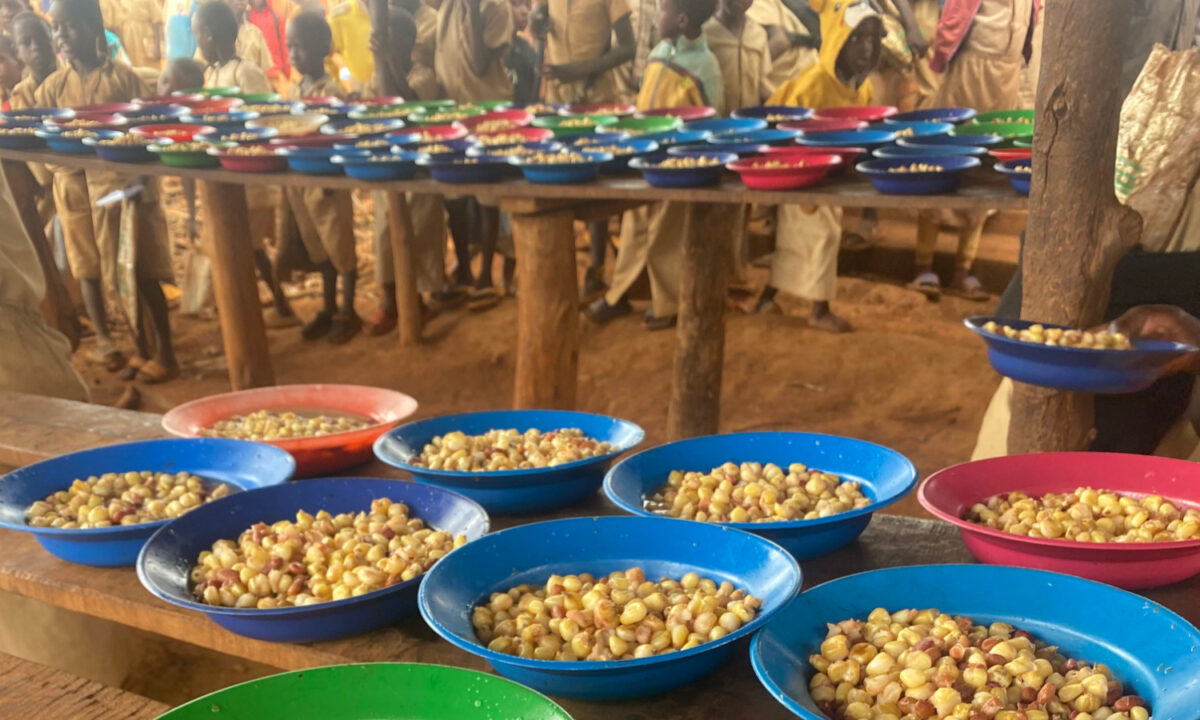
Burundi’s school feeding program does more than nourish children’s bodies and minds. Leland fellow Tonja Rice shows how agriculture and the local economy benefit, as well.
Tagged ‘Leland’
Burundi’s school feeding program does more than nourish children’s bodies and minds. Leland fellow Tonja Rice shows how agriculture and the local economy benefit, as well.

The Congressional Hunger Center is delighted to announce the next-generation leaders and partner organizations who have been selected to participate in the Bill Emerson National Hunger Fellowship and Mickey Leland International Hunger Fellowship. The 21 members of the 32nd Class … Read more

Working with World Vision, Leland Fellow Lora Boll shows how school meals don’t just keep students fed, but can also promote environmental sustainability, agricultural production, and community resilience.

Bailey Adams unpacks how social and behavior change approaches can be used to improve nutrition in Cambodia.

What if we saw children not only as mouths to feed, but people with perspectives and unique voices? Leland Fellow Liz Margolis highlights her work on child advocacy while placed with World Vision International.

Before the pandemic, acute malnutrition affected nearly 50 million children under five worldwide. Yet, only a quarter of children who needed treatment received it. Leland Fellow Maria Wrabel, placed with Action Against Hunger wonders: is “normal” good enough?

The open question of land tenure has held back agricultural production in Côte D’Ivoire. Leland Fellow Dan Myers writes about his work in Abidjan with World Cocoa Foundation.
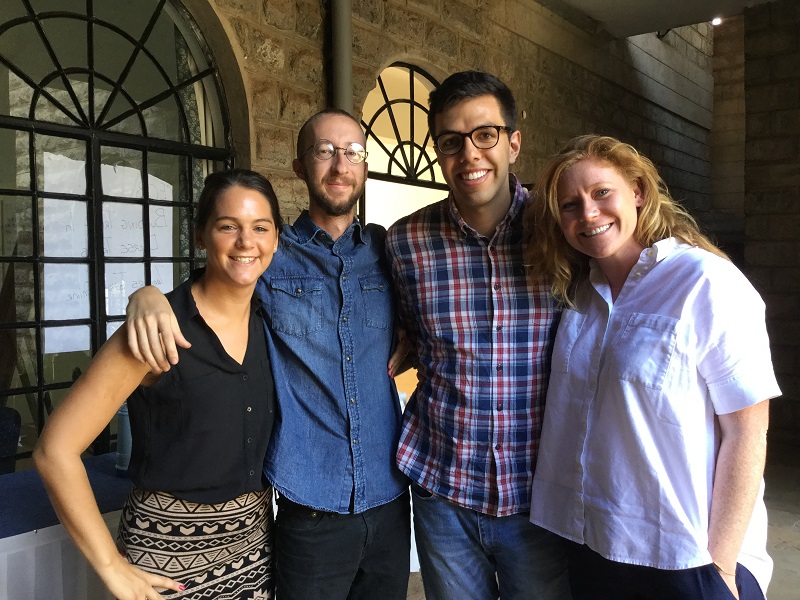
Leland Fellow Anthony Slaton’s work with Adonai Partners in Uganda supported agricultural resilience livelihoods in communities still rebuilding after conflict.