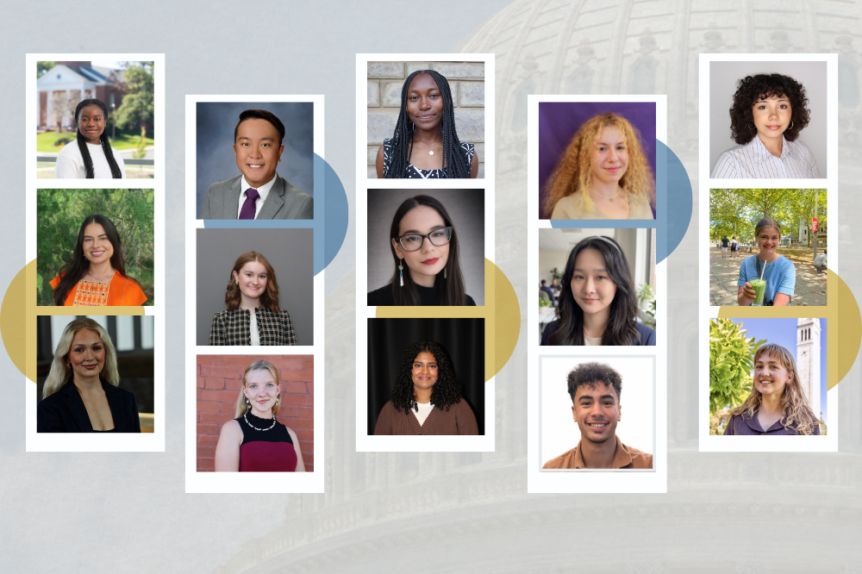
The Hunger Center is delighted to announce the members of the 9th class of Zero Hunger Interns. Over ten weeks, these developing leaders will work with and expand the impact of policy-focused anti-hunger organizations in Washington, D.C.
“We are delighted to welcome the ninth cohort of Zero Hunger Interns to Washington this summer,” said Shannon Maynard, Executive Director of the Congressional Hunger Center. “These inspiring young leaders will expand the capacity of their host organizations while learning to become effective anti-hunger advocates.”
“We need to ensure young people are not only supported but are active leaders in the movement to end hunger. I’m excited to see how the members of this cohort will build their skills and strengths as they develop unique and innovative solutions to tackling food insecurity.”
Zero Hunger Interns receive on-the-job training and work experience through their placements with host organizations and join a supportive professional network of fellow interns and alums. The interns also expand their knowledge of the root causes of food insecurity and effective solutions through the 2026 Zero Hunger Summer Seminars and develop their experience as advocates through the Gen Z Food & Hunger Summit.
The Zero Hunger Internship was launched in 2018 with support from the Sodexo Stop Hunger Foundation to build the knowledge and leadership skills of the next generation of leaders. To date, 101 interns have completed the program and supported the work of 48 organizations through projects focused on program implementation, policy, advocacy, research, development, and communications. This year’s class of Zero Hunger Interns is made possible through the generous support of the Sodexo Stop Hunger Foundation and the Corella & Bertram F. Bonner Foundation.
2026 Zero Hunger Interns
| Name | Hometown | School and Year | Host Organization |
| Alirat Abdullai | Baltimore, Md. | University of Maryland ‘26 | CARE |
| Andrew Le | Wichita, Kan. | Kansas State University ‘26 | Bread for the World |
| Ashantae Hayward | Baltimore, Md. | Tulane University ‘26 | International Fund for Agricultural Development (IFAD) |
| Charlotte Peterson | Long Beach, Calif. | University of California, Berkeley ‘26 | Tanager |
| Clara Braga | Brasilia, Brazil | Chatham University ‘27 | IFAD |
| Claudia Rivera Diaz | Birmingham, Ala. | University of Alabama at Birmingham ‘26 | National League of Cities |
| Diana Rocha | Alamo, Texas | The University of Texas Rio Grande Valley ‘26 | Center for Law and Social Policy (CLASP) |
| Ella Waters | Martinsburg, W.Va. | George Mason University ‘28 | Congressional Hunger Center |
| Josie Gardner | Madison, Wis. | University of Wisconsin –Madison ‘26 | Food Research & Action Center (FRAC) |
| Julia Kang | Seattle, Wash. | Johns Hopkins University ‘26 | World Food Program USA (WFP) |
| Julia Peter | Athens, Ohio | Ohio University ‘26 | FoodRecovery.org |
| Molly Wilgus | Johnson City, Tenn. | College of Charleston ‘27 | DC Hunger Solutions |
| Olivia Link | Denver, Colo. | Colorado College ‘28 | Wholesome Wave |
| Ria Bhatia | Houston, Texas | The University of Texas at Austin ‘26 | IFAD |
| Sebastian Bradley | Atlanta, Ga. | George Mason University ‘25 | Congressional Hunger Center |
2026 Host Organizations






Meet the Interns
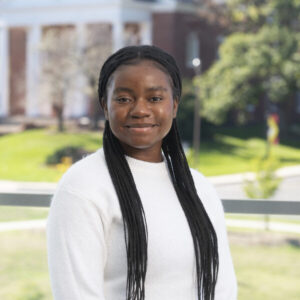
Alirat Abdullai
9th Class, 2026
“I am excited to learn how to become an effective changemaker in the fight against food insecurity, especially by gaining hands-on experience in creating sustainable and impactful solutions.”
(Back to Table)
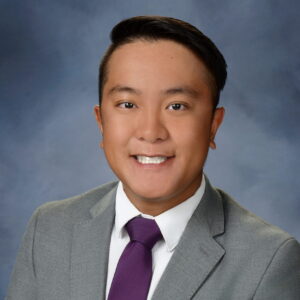
“Coming from the breadbasket of America, food revolves around us and impacts every sector of our livelihoods. Agriculture is the backbone of our economy, yet many of the folks producing the food are often the ones suffering from hunger the most. As a Zero Hunger Intern, I am eager to build impactful tools and explore how food and agricultural policy shapes hunger in our communities.”
(Back to Table)
 Ashantae Hayward
9th Class, 2026
“I’m excited to learn from my peers and see how they’re addressing hunger in their communities, especially through efforts to strengthen local food systems and improve access. I’m really interested in how that kind of work can shape more equitable food policy.”
(Back to Table)
 Charlotte Peterson
9th Class, 2026
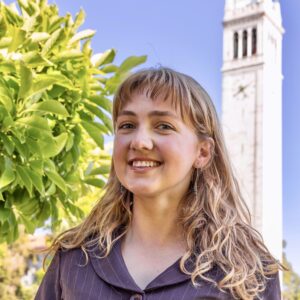
“I am thrilled to serve as a Zero Hunger Intern this summer to deepen my understanding of the sociopolitical dimensions of food systems work and contribute meaningfully to sustainable, equitable agricultural development through my host organization, Tanager. As someone passionate about global food security and community-based development, I am excited to learn directly from practitioners working alongside local communities to address hunger and strengthen resilient food systems. Through this opportunity, I hope to grow both professionally and personally, gaining perspectives I will carry with me as I begin a master’s degree in agricultural science in France this fall.”
(Back to Table)

“I’m excited to move beyond passion and learn how to take actionable steps toward achieving zero hunger, not only in my hometown community, but worldwide. I’m also eager to meet and learn from a diverse group of future leaders and explore ways we can collaborate to reach this goal. Lastly, I believe the Zero Hunger Internship will be the perfect place to nurture my professional and leadership skills. I can’t wait to start!”
(Back to Table)

Claudia Rivera Diaz
9th Class, 2026
“I’m looking forward to learning how to best address domestic hunger, both through advocacy and policy-making, so I can go home better equipped to strengthen food systems in Alabama. Additionally, I hope to meet young leaders currently working to eliminate hunger in D.C., so I can learn from them and work alongside them.”
(Back to Table)
 Diana Rocha
 “I am excited to further develop my understanding of how hunger is shaped by public policy, social structures, and inequality. My academic training and experiences have shown me that food insecurity is rooted in systemic conditions and policy gaps that shape access to basic needs. As a Zero Hunger Intern, I look forward to understanding how institutions and power influence these outcomes, including how advocacy, policy, and community leadership can drive long-term, equitable solutions that expand access while also protecting dignity and autonomy. I am especially eager to collaborate with others to advance more effective, accessible, and dignity-centered approaches to addressing hunger.”
(Back to Table)
 Ella Waters
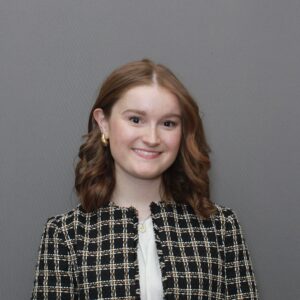
 “As an Appalachian native, I am looking forward to sharing my distinct perspective of food accessibility in the region and working towards finding solutions for these issues and their unique factors. Having the ability to learn from agencies and organizations that have implemented food policy initiatives will give me a continued passion for food accessibility, as well as the capacity to find and implement potential solutions to these issues. I’m hopeful to take the connections and experiential learning I gain back to the region and work to eliminate domestic hunger.”
(Back to Table)
 Josie Gardner
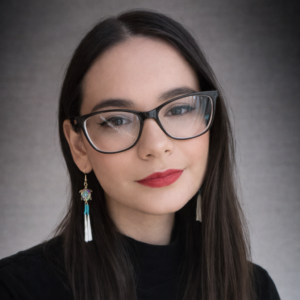
 “I’m excited to deepen my understanding of how policy and community-based work intersect to address hunger. I’m especially interested in learning how organizations navigate both immediate needs and long-term solutions, and how different communities experience and respond to food insecurity in ways that inform more effective, equitable approaches.”
(Back to Table)
 Julia Kang
 “I’m excited to learn how anti-hunger advocacy actually moves through the policy process — whose knowledge gets centered, where decisions stall, and what makes change durable rather than cyclical. Most of my experience has been at the community level, where I’ve seen how rules and messaging shape access long before anyone walks through a door. I want to understand those upstream decisions better, especially as technology starts shaping how benefits are communicated and accessed. I’m hoping this summer gives me the grounding to connect that work across domestic and global contexts.”
(Back to Table)
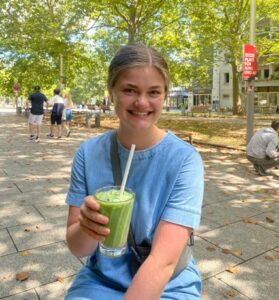 Julia Peter
 “This summer, I am excited to build my understanding of the intersection of food security policy and social programming and how we can shape both to best support the other. I am also excited by the opportunity to work hands-on with an anti-hunger organization and see their inner workings, programming, and advocacy work.”
(Back to Table)
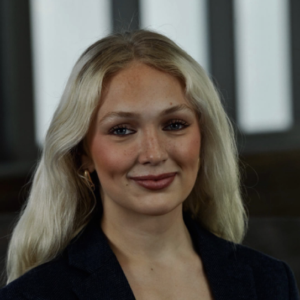 Molly Wilgus
 “I am excited to learn more about the proposed solutions and research for individuals experiencing hunger in the United States and globally, and most excited to apply these solutions on my college campus as a model to other universities in affordable food deserts.”
(Back to Table)
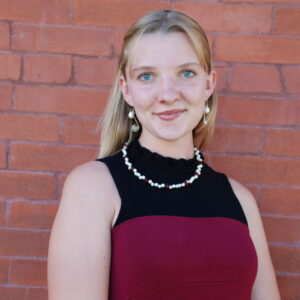 Olivia Link
 “This summer, I am excited to learn about the intersection between advocacy and shaping public policy surrounding issues of hunger and food access, as well as what work is currently being done on a local, national, and global scale in the fight for food justice. I look forward to the opportunity to learn, ask questions, and grow my skills in communication, political action, and nonprofit work, all of which will make me a more effective leader and changemaker in my own community.”
(Back to Table)
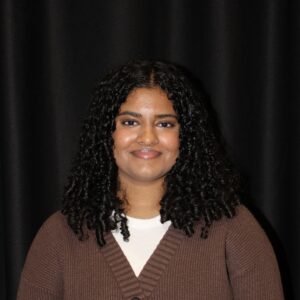 Ria Bhatia
 “I’ve spent years watching hunger drive health inequities in my community through research, advocacy, and lived experience. But I’ve also seen how far local solutions can only go. As a Zero Hunger Intern this summer, I am excited to learn how policy change actually happens at the federal level, learn from people who are doing this work every day, and figure out where I fit into this movement long-term.”
(Back to Table)

Sebastian Bradley
9th Class, 2026
“I’m excited to learn from diverse perspectives on food insecurity and better understand the social and systemic factors that shape access to food. I hope to see how different approaches create real impact in communities, and most importantly, identify where I can contribute meaningfully while building skills to support long term solutions.”
(Back to Table)